1300 658 111


How Does an Aerated Wastewater Treatment System (AWTS) Work?
An aerated wastewater treatment system (AWTS) helps you conserve water around the home, saving you money while you save the planet. Water usage is a big issue as we fight environmental change, and these waste water treatment systems are a practical and affordable way for everybody to get involved.
In this article, we’ll explore how aerated wastewater treatment systems work, and how they allow you to recycle water for numerous applications.
Settling and Separation of Solids
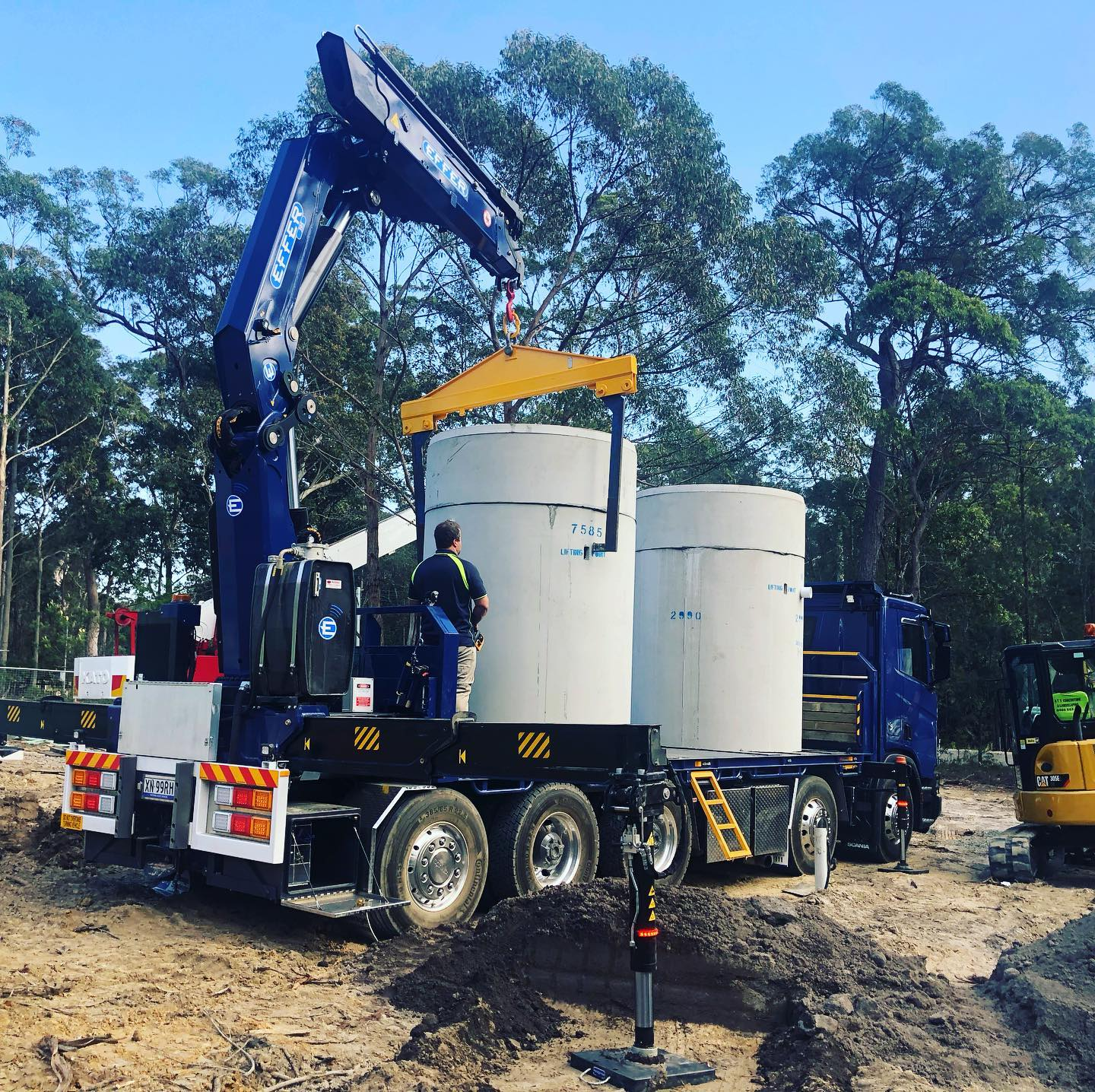
The first step in an AWTS is sometimes known as the primary treatment. In this stage, wastewater from your home enters a tank where heavier solids settle at the bottom as sludge. The lighter materials, such as oil or grease, float to the top of the tank.
The solids remain in the tank where they are broken down by anaerobic bacteria. The wastewater, however, flows into the aeration chamber for the next stage of the process.
Aeration
Once the wastewater is in the aeration chamber, oxygen is pumped in, encouraging the growth of aerobic bacteria. This bacteria quickly breaks down remaining organic matter or other contaminants. The aeration stage is crucial, as it ‘cleans’ the water much more thoroughly, allowing the third stage to take place.
Clarification and Further Separation
After aeration, the wastewater moves into the clarification chamber. If there are any remaining solids, they settle at the bottom of the tank, while the clarified water rises to the top. The remaining sludge is moved on for further treatment, while the partially-treated wastewater moves on to the final stage – disinfection.
Disinfection
The disinfection process occurs next, and this usually involves adding chlorine or using ultraviolet (UV) to get rid of any remaining contaminants or microorganisms. This is the final step of the water treatment before it becomes reusable for applications such as gardening or toilet flushing. It’s important to note that an AWTS doesn’t produce drinkable water.
Treated Water Storage and Reuse
Once your water is treated and disinfected, it moves into a storage tank where it can used around the home. As we mentioned, the water isn’t for drinking but has multiple other uses such as irrigation, washing cars, flushing toilets and more.
Ongoing Maintenance Tips
Producing reusable water requires that your AWTS is kept in good working order. Here are some tips for looking after your aerated wastewater treatment system.
- Maintain bacteria balance: Regularly add recommended bacteria and enzymes to ensure matter breaks down effectively.
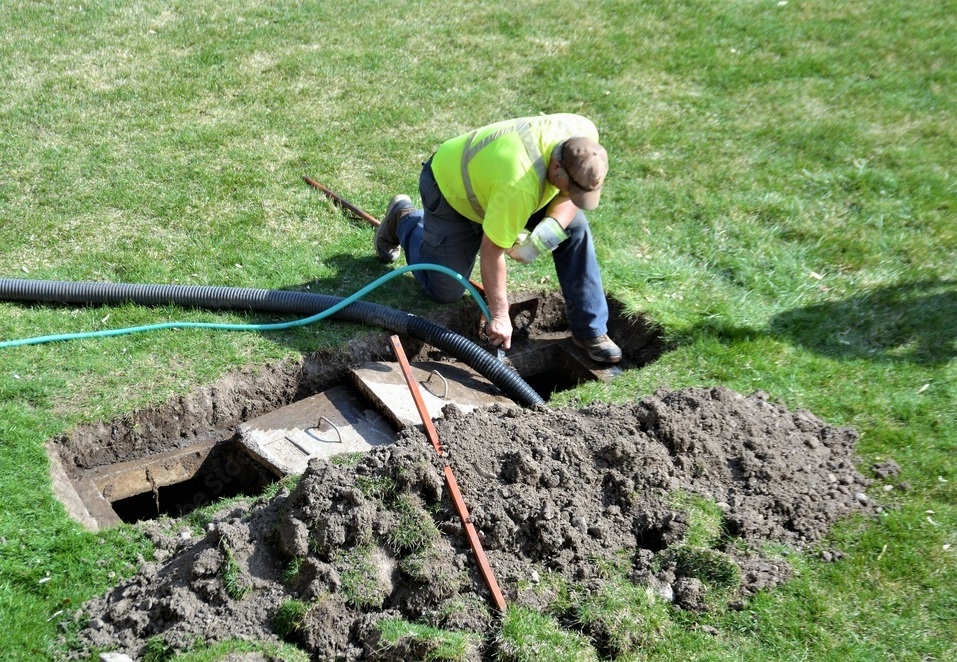
- Desludge as needed: Have your primary tank desludged every 3 to 5 years, depending on system usage.
- Inspect pumps and diffusers: Check and clean aeration pumps and diffusers to maintain consistent oxygen levels.
- Monitor chlorine levels: Ensure chlorine tablets or UV systems are functioning correctly to guarantee proper disinfection of wastewater.
BioSeptic can help with all maintenance tasks if you’re unsure of anything.
Want to know more about how an aerated water treatment system works?
BioSeptic offers the best aerated wastewater treatment system (AWTS) on the market. Backed by years of industry experience and exceptional customer service, the BioSeptic team are your experts when you need household waste water treatment systems. Contact our friendly team today and find out how you can save money and the planet at the same time.