1300 658 111


Common Issues with Aerated Septic Systems and How to Prevent Them
An aerated wastewater treatment system is one of the most reliable solutions for managing wastewater for Australian properties. Yet, many homeowners hesitate to invest, unsure about potential maintenance challenges. Let’s shed some light on these systems and show how simple it is to prevent common issues.
Understanding The System’s Core Function
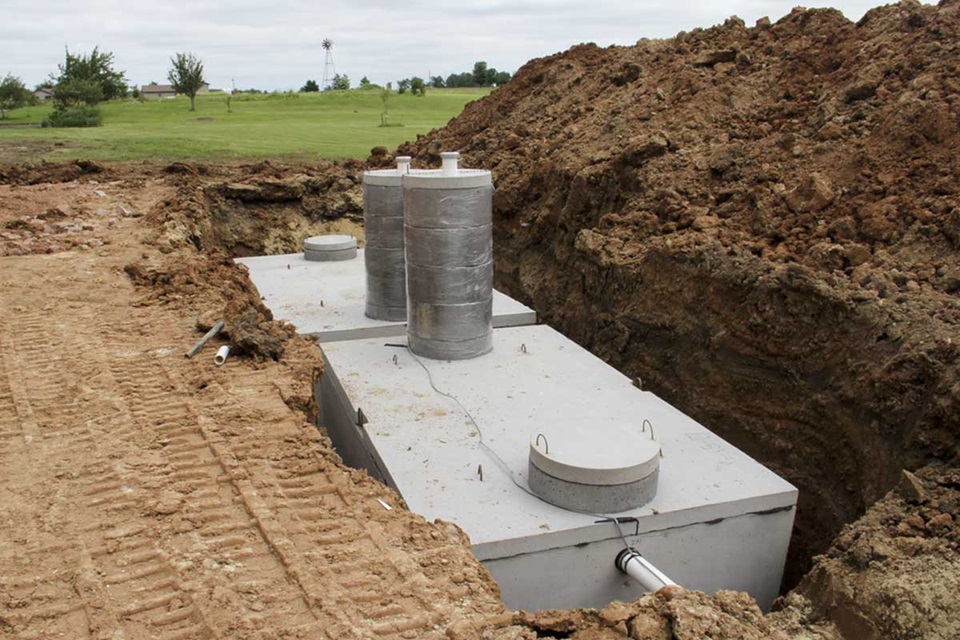
The septic system operates by introducing oxygen into an aeration chamber. This oxygen supports beneficial bacteria that break down waste efficiently, resulting in cleaner effluent that is safer for the environment than traditional septic systems. The key components of such a system include the main tank, aeration chamber, and irrigation system – each vital in treating household waste.
Common Issues with Aerated Septic Systems
While these systems are highly efficient, staying ahead of potential problems ensures optimal performance. Understanding common issues and their early warning signs can save you significant time and money in the long run. So, here are the main challenges you might encounter:
Odour Problems:
- Monitor unusual smells around your yard
- Check aeration equipment regularly
- Ensure proper ventilation
- Clean filters as recommended
System Overload:
- Space out your laundry loads
- Fix leaking taps promptly
- Install water-efficient fixtures
- Monitor water usage patterns
While common, these issues are easily preventable with proper care and attention. Regular monitoring will help maintain system performance and prevent unexpected breakdowns.
Professional Maintenance Requirements
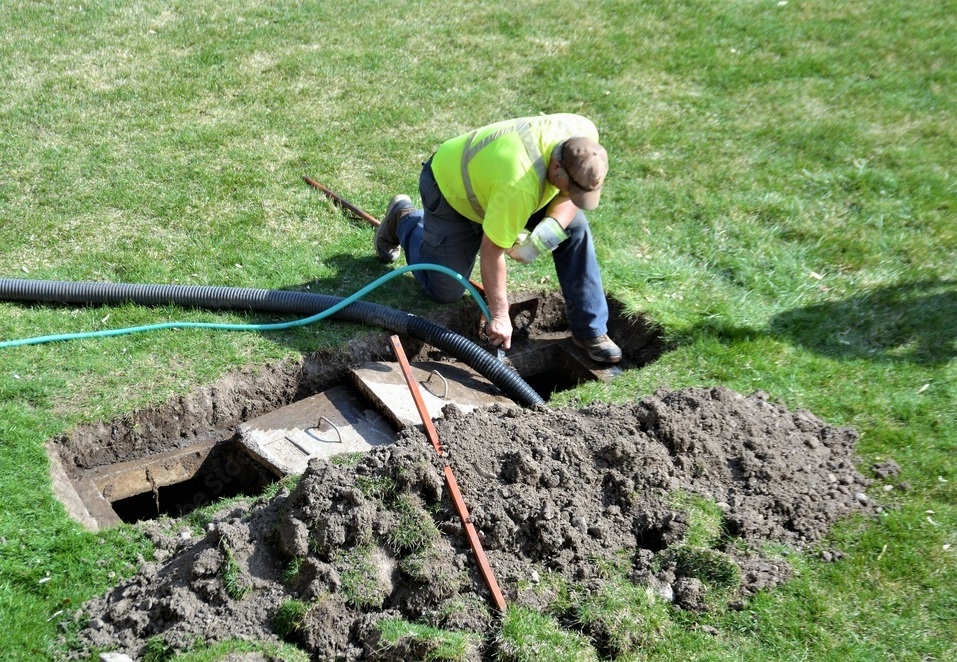
Professional inspections, best every three months, are crucial for aerated septic systems to catch potential issues early. During these checks, the service technicians assess the aeration equipment, measure sludge levels, and ensure all components function correctly. They’ll also verify that the system meets local council requirements and environmental standards.
Proper Usage of an Aerated Wastewater Treatment System
The system relies heavily on responsible household practices. So, avoid flushing non-biodegradable items, excessive amounts of cleaning products, or harsh chemicals, as these can disrupt the bacterial balance essential for proper waste treatment. Additionally, consider these important practices:
- Use environmentally friendly cleaning products
- Avoid disposing of oils and fats down the drain
- Keep surface water away from the treatment area
- Maintain proper landscaping around the system
Understanding System Warning Signs
To prevent major system failures, watch for signs like slow-draining fixtures, gurgling sounds in pipes, or wet spots in your yard. These indicators suggest your system needs immediate attention from a qualified technician. Poor drainage, unusual odours, or changes in your lawn’s appearance near the system area shouldn’t be ignored. So, watch out for these warning signs, as immediate action can prevent minor issues from escalating into major problems.
Building a Sustainable Future
A properly maintained aerated wastewater treatment system does more than process household waste – it actively contributes to environmental preservation and property value. With over two decades of proven performance across Australian properties, BioSeptic’s aerated septic systems consistently deliver exceptional results in diverse conditions. Call our experts today on 1300 658 111 to discuss a wastewater system for your property and learn how our proven treatment solutions can benefit your home for years.
Read Also:
How To Choose the Right BioSeptic System for Your Home or Business
How Does an Aerated Wastewater Treatment System (AWTS) Work?