1300 658 111


Why Regular Maintenance is Crucial for Your BioSeptic System
A well-maintained BioSeptic aerated wastewater treatment system protects your property and the environment by ensuring waste is processed safely. However, like any essential equipment, these systems require regular maintenance to avoid costly repairs and even complete system failure. Here’s why regular maintenance is important and how to keep your system running smoothly.
Why Septic Tank Maintenance Matters
Over time, a septic tank accumulates sludge and scum layers that disrupt the waste treatment process if not cleared out. When these layers build up, they can clog the outlet pipe, slow drainage, and cause sewage backups, leading to unpleasant odours and health hazards. Routine maintenance, including cleaning and inspections, prevents these issues and keeps your aerated wastewater treatment system efficient in the long term.
Key Maintenance Steps for Aerated Septic Systems
Proper maintenance involves a few key practices. Follow these steps to help your system work efficiently and prolong its lifespan.
Inspection and Pumping Frequency
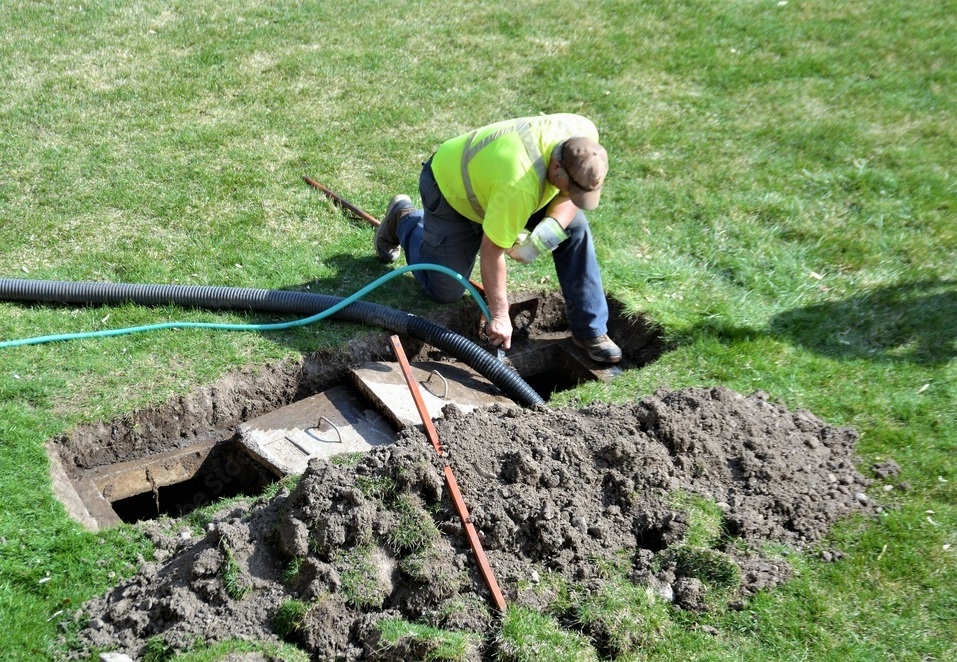
Regular inspections are essential. Most systems benefit from a professional check-up every three years, with pumping every 3-5 years, depending on tank size and usage. During an inspection, service technicians measure sludge and scum levels. If the scum layer is within 150-200 mm of the outlet pipe or sludge reaches 300 mm, it’s time for a pump-out. Sticking to these schedules prevents overflows and keeps your system in check.
Efficient Water Use
Water conservation plays a significant role in maintaining your aerated wastewater treatment system. Excessive water use can overload the system and reduce its ability to treat wastewater properly. To avoid this, consider using water-saving devices, fixing leaks, and spreading out high-water activities such as laundry. Efficient water use protects your system and prevents strain on the drain field, where treated water is filtered back into the soil.
Proper Waste Disposal
Only flush human waste and toilet paper to keep your system healthy. Grease, wipes, chemicals, and non-biodegradable products can disrupt the tank’s bacterial processes and cause blockages or damage. Responsible disposal habits maintain balance within your system and reduce costly repairs.
Drain-Field Maintenance
The drain field is essential to waste water treatment systems as it filters contaminants from water that leave the septic tank. To protect this area, avoid parking or driving over it, as compacted soil hinders filtration. Keep trees and shrubs at a distance to prevent roots from intruding, and divert rainwater and drainage away from the area to overwhelm the field and prevent flooding.
The Role of the Pump Chamber
The pump chamber moves treated wastewater to the drain field in many aerated septic systems. This chamber requires regular inspection to prevent issues like pump malfunctions or corrosion, which can disrupt the entire system. Keeping the pump chamber in good working order helps ensure your system operates reliably and efficiently.
Quality Maintenance for a Reliable System
Investing in routine maintenance is key to reliable aerated septic systems. BioSeptic tanks and regular care offer a long-lasting, cost-effective wastewater solution. Contact us today and partner with experts to keep your aerated wastewater treatment system running efficiently, minimising disruptions and supporting a cleaner environment.
Read Also:
Common Issues with Aerated Septic Systems and How to Prevent Them
How to save money and be environmentally friendly