Why Aerated Wastewater Treatment Systems Are Ideal for Rural Properties

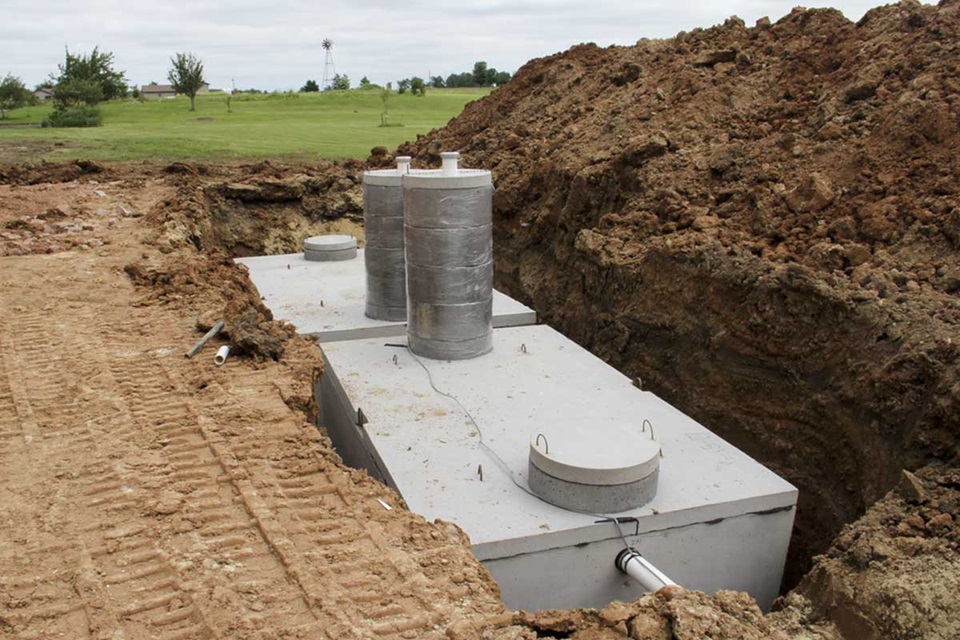
Living in the countryside has many advantages, but it also presents unique challenges, especially regarding wastewater management. While urban areas are connected to centralised sewage systems, rural properties often require efficient, self-contained solutions that address environmental and practical concerns. This is where an aerated wastewater treatment systems proves invaluable. Such a system accelerates waste decomposition with engineered biological processes, producing cleaner output with minimal environmental impact.

Optimised Land Use Benefits

Land is often a valuable commodity that needs careful planning, not only for property owners in the city. An aerated wastewater treatment system requires significantly less space than traditional wastewater disposal methods with extensive drainage fields. Its compact design allows greater flexibility, which makes it an ideal choice for properties with diverse layouts or challenging soil types. Whether working with a small bush block or a sprawling farm, these aerated septic systems are easier to install and adapt seamlessly to unique locations while maximising available land for other purposes.

Built for Australian Rural Conditions

Australia’s varied climate demands robust solutions capable of withstanding harsh conditions. Aerated septic systems offer exceptional durability and year-round reliability despite prolonged dry spells or heavy rainfall. Their resilience against diverse weather patterns ensures peace of mind for rural homeowners and business owners alike, proving that they can meet the demands of tough environments.

A Water-Smart Solution for Drought-Prone Areas

Water scarcity is a common challenge for rural properties, particularly in regions prone to drought. An aerated wastewater treatment system addresses this by producing high-quality treated water that can be safely reused for garden irrigation. This provides a sustainable solution during dry periods while keeping your property’s greenery thriving. By reducing reliance on external water sources, these systems promote efficient water recycling and help rural properties manage their water resources more effectively.

Key Rural Benefits

  • Self-contained waste processing for remote locations
  • High-quality treated water suitable for reuse
  • Reduced environmental footprint
  • Space-efficient installation
  • Minimal odour emissions
  • Reliable performance in drought conditions

Tailored Systems for Unique Rural Properties

No two rural properties are the same. From varying soil compositions to differing topographies, factors such as slope gradient, water table depth, and proximity to waterways play a crucial role in system selection. That’s why it is essential to have the property assessed by experts who can design a wastewater solution tailored to its specific characteristics.

By considering household size, water usage patterns, and site-specific conditions, professional engineers can create an aerated wastewater treatment system that integrates seamlessly with the property to ensure optimal performance and long-term satisfaction for property owners.

Your Trusted Partner in Wastewater Solutions

At BioSeptic, we understand the unique needs of rural Australians. Our experienced team specialises in designing and installing aerated septic systems that meet the highest standards of reliability and efficiency. To learn more about how our systems can transform your property, call us today at 1300 658 111. Let us help you create a sustainable and practical solution that will serve your non-potable needs for years to come.

Read Also:
Why Regular Maintenance is Crucial for Your BioSeptic System
Giving You Peace Of Mind

Why Regular Maintenance is Crucial for Your BioSeptic System

A well-maintained BioSeptic aerated wastewater treatment system protects your property and the environment by ensuring waste is processed safely. However, like any essential equipment, these systems require regular maintenance to avoid costly repairs and even complete system failure. Here’s why regular maintenance is important and how to keep your system running smoothly.

Why Septic Tank Maintenance Matters

Over time, a septic tank accumulates sludge and scum layers that disrupt the waste treatment process if not cleared out. When these layers build up, they can clog the outlet pipe, slow drainage, and cause sewage backups, leading to unpleasant odours and health hazards. Routine maintenance, including cleaning and inspections, prevents these issues and keeps your aerated wastewater treatment system efficient in the long term.

Key Maintenance Steps for Aerated Septic Systems

Proper maintenance involves a few key practices. Follow these steps to help your system work efficiently and prolong its lifespan.

Inspection and Pumping Frequency

Regular inspections are essential. Most systems benefit from a professional check-up every three years, with pumping every 3-5 years, depending on tank size and usage. During an inspection, service technicians measure sludge and scum levels. If the scum layer is within 150-200 mm of the outlet pipe or sludge reaches 300 mm, it’s time for a pump-out. Sticking to these schedules prevents overflows and keeps your system in check.

Efficient Water Use

Water conservation plays a significant role in maintaining your aerated wastewater treatment system. Excessive water use can overload the system and reduce its ability to treat wastewater properly. To avoid this, consider using water-saving devices, fixing leaks, and spreading out high-water activities such as laundry. Efficient water use protects your system and prevents strain on the drain field, where treated water is filtered back into the soil.

Proper Waste Disposal

Only flush human waste and toilet paper to keep your system healthy. Grease, wipes, chemicals, and non-biodegradable products can disrupt the tank’s bacterial processes and cause blockages or damage. Responsible disposal habits maintain balance within your system and reduce costly repairs.

Drain-Field Maintenance

The drain field is essential to waste water treatment systems as it filters contaminants from water that leave the septic tank. To protect this area, avoid parking or driving over it, as compacted soil hinders filtration. Keep trees and shrubs at a distance to prevent roots from intruding, and divert rainwater and drainage away from the area to overwhelm the field and prevent flooding.

The Role of the Pump Chamber

The pump chamber moves treated wastewater to the drain field in many aerated septic systems. This chamber requires regular inspection to prevent issues like pump malfunctions or corrosion, which can disrupt the entire system. Keeping the pump chamber in good working order helps ensure your system operates reliably and efficiently.

Quality Maintenance for a Reliable System

Investing in routine maintenance is key to reliable aerated septic systems. BioSeptic tanks and regular care offer a long-lasting, cost-effective wastewater solution. Contact us today and partner with experts to keep your aerated wastewater treatment system running efficiently, minimising disruptions and supporting a cleaner environment.

Read Also:
Common Issues with Aerated Septic Systems and How to Prevent Them
How to save money and be environmentally friendly

Common Issues with Aerated Septic Systems and How to Prevent Them

An aerated wastewater treatment system is one of the most reliable solutions for managing wastewater for Australian properties. Yet, many homeowners hesitate to invest, unsure about potential maintenance challenges. Let’s shed some light on these systems and show how simple it is to prevent common issues.

Understanding The System’s Core Function

The septic system operates by introducing oxygen into an aeration chamber. This oxygen supports beneficial bacteria that break down waste efficiently, resulting in cleaner effluent that is safer for the environment than traditional septic systems. The key components of such a system include the main tank, aeration chamber, and irrigation system – each vital in treating household waste.

Common Issues with Aerated Septic Systems

While these systems are highly efficient, staying ahead of potential problems ensures optimal performance. Understanding common issues and their early warning signs can save you significant time and money in the long run. So, here are the main challenges you might encounter:

Odour Problems:

  • Monitor unusual smells around your yard
  • Check aeration equipment regularly
  • Ensure proper ventilation
  • Clean filters as recommended

System Overload:

  • Space out your laundry loads
  • Fix leaking taps promptly
  • Install water-efficient fixtures
  • Monitor water usage patterns

While common, these issues are easily preventable with proper care and attention. Regular monitoring will help maintain system performance and prevent unexpected breakdowns.

Professional Maintenance Requirements

Professional inspections, best every three months, are crucial for aerated septic systems to catch potential issues early. During these checks, the service technicians assess the aeration equipment, measure sludge levels, and ensure all components function correctly. They’ll also verify that the system meets local council requirements and environmental standards.

Proper Usage of an Aerated Wastewater Treatment System

The system relies heavily on responsible household practices. So, avoid flushing non-biodegradable items, excessive amounts of cleaning products, or harsh chemicals, as these can disrupt the bacterial balance essential for proper waste treatment. Additionally, consider these important practices:

  • Use environmentally friendly cleaning products
  • Avoid disposing of oils and fats down the drain
  • Keep surface water away from the treatment area
  • Maintain proper landscaping around the system

Understanding System Warning Signs

To prevent major system failures, watch for signs like slow-draining fixtures, gurgling sounds in pipes, or wet spots in your yard. These indicators suggest your system needs immediate attention from a qualified technician. Poor drainage, unusual odours, or changes in your lawn’s appearance near the system area shouldn’t be ignored. So, watch out for these warning signs, as immediate action can prevent minor issues from escalating into major problems.

Building a Sustainable Future

A properly maintained aerated wastewater treatment system does more than process household waste – it actively contributes to environmental preservation and property value. With over two decades of proven performance across Australian properties, BioSeptic’s aerated septic systems consistently deliver exceptional results in diverse conditions. Call our experts today on 1300 658 111 to discuss a wastewater system for your property and learn how our proven treatment solutions can benefit your home for years.

Read Also:
How To Choose the Right BioSeptic System for Your Home or Business
How Does an Aerated Wastewater Treatment System (AWTS) Work?

How to Choose the Right Septic Systems for Your Home or Business

Septic tank systems offer a dependable solution for treating wastewater in areas without access to traditional sewage infrastructure. These systems separate solids and liquids, providing an effective and environmentally responsible waste management option for homeowners and business owners alike. BioSeptic specialises in delivering durable septic tanks and aerated wastewater treatment systems ideal for Australian soil conditions. We’ve highlighted the key factors below to help you decide which system is best suited for your home or business.

Factors to Consider When Choosing Between Septic Tank Systems

When selecting your septic systems, there are several essential factors to consider:

Property Size and Usage

The size of your property and daily wastewater usage will determine the appropriate number of tanks and capacity model. Smaller households may require a single-tank system, while larger homes or commercial premises benefit from two-tank models with greater capacities. BioSeptic offers a range of domestic and commercial options, including:

  • S-ten 1500L/day (1 tank): Ideal for households of up to 10 persons.
  • Performa 1500L/day (2 tanks): Suitable for households of up to 10 persons needing additional capacity.
  • S2500 2500L/day (2 tanks): Perfect for larger households requiring increased storage.
  • S3500 3500L/day (2 tanks): Designed for commercial premises with moderate wastewater needs.
  • S5000 5000L/day (2 tanks): Suitable for larger commercial properties that require extensive storage capacity.

Environmental Impact

BioSeptic’s septic tanks are designed to minimise environmental impact by promoting natural wastewater treatment processes. Our aerated wastewater treatment systems enhance this by breaking down waste more efficiently to reduce pollution risks.

Cost-Effectiveness

While installation costs may vary, our septic tank systems are known for delivering value over time. Minimal maintenance requirements and low operating costs make these systems a smart, economical choice.

Installation and Maintenance

BioSeptic’s tanks are easy to install, requiring only licensed plumbers and no additional electrical input. Once installed, our systems are built to last and offer reliable waste management solutions for years with minimal intervention.

Types of Wastewater Systems

We offer a variety of septic tanks and aerated wastewater treatment systems to meet different property needs. Each system is built to withstand Australia’s demanding conditions, ensuring longevity and efficiency. Our main options include:

Standard Septic Tank Systems

These tanks are perfect for residential properties. They use natural bacterial processes to break down waste and require minimal maintenance.

Aerated Wastewater Treatment Systems

Designed for properties that require a higher level of waste treatment, these systems infuse air into the tank, speeding up the breakdown of waste and improving the quality of discharged water.

Investing in Long-Term Quality

Choosing BioSeptic supports a healthier environment, with systems that improve water quality, reduce odours, and promote soil health. With over 30 years of experience, our team is here to guide you to the right system for your property, from standard septic tanks for your home to an aerated system for larger commercial real estate. Contact our sales team today to arrange a consultation, and trust BioSeptic to provide the best solution tailored to your property and needs.

Read Also:
How Much Water Can I Save with a BioSeptic System?
Wastewater Treatment Solutions

How Much Water Can I Save with a BioSeptic System?

Aerated wastewater treatment systems (AWTS) can save Australian households plenty of money on water consumption. But it’s not just about the financial savings. Reducing the amount of water we use is crucial in our fight against environmental change. Unlike septic systems, which are primarily designed to collect and dispose of waste, AWTS allows you to reuse the treated water for a range of applications. In this article, we’ll explore some of the ways you can save water and money with a BioSeptic system.

Recycling Wastewater for Outdoor Use

One of the most significant ways you can save water is by recycling it. An aerated wastewater treatment system removes solids and contaminants from household wastewater, making it suitable for many outdoor applications.

Treated greywater isn’t suitable for drinking, nor should it be used for household applications like washing or cleaning. But it can be used for garden irrigation, watering the lawn, washing the cars or hosing down driveways and walls.

You can save thousands of litres of water each year by recycling wastewater with an AWTS.

Water Savings in Drought Conditions

If you’re in a drought-affected area, you’ll know that water consumption can be a matter of life and death. While most rural properties have water tanks and the ability to collect rain, what happens when the rain stops?

BioSeptic systems save you money because they give a year-round source of water for non-potable use. Keep your precious filtered water for essential tasks, and use recycled wastewater for as many outdoor applications as possible. This ensures you’ll have a steady supply of water throughout the year, no matter what the weather brings. Plus, you can still keep the gardens looking great in times of water restrictions.

Save on Household Water Bills

While we mentioned that treated wastewater is mostly suited to outdoor applications, there are some indoor tasks that can benefit. Water from your AWTS can be used to flush toilets, for example. Whether you’re on mains water or you rely on water tanks, every drop you save is money back in your wallet. So, whether you’re using recycled water for flushing toilets or irrigating your garden, your water expenses will drastically reduce when you use a BioSeptic system.

Irrigation for Large Properties

For those living in rural or remote areas with large properties to maintain, water costs can be huge. Especially if you’re in a dry climate that doesn’t offer much in the way of rain collection. However, most households produce significant amounts of greywater that can be treated and reused for irrigation.

Water is essential for maintaining the appearance and health of large properties, particularly if you have expansive gardens or you grow your own crops. Recycling wastewater with an AWTS and feeding it back into your outdoor irrigation systems is one of the best ways to maximise the benefits of an aerated wastewater treatment system.

Want to Know More About How BioSeptic Can Save You Money?

BioSeptic specialises in septic tanks, water tanks and aerated wastewater treatment systems, with countless ways to save you money. Whether you want advanced septic systems that reduce waste disposal costs or an AWTS to give you year-round water for outdoor use, contact our team today. We’ll be happy to discuss your needs and recommend systems that comply with all Australian regulations while being great for the planet and your wallet.

Read Also:
How Does an Aerated Wastewater Treatment System (AWTS) Work?
When was the last time you had your AWTS checked?

How Does an Aerated Wastewater Treatment System (AWTS) Work?

An aerated wastewater treatment system (AWTS) helps you conserve water around the home, saving you money while you save the planet. Water usage is a big issue as we fight environmental change, and these waste water treatment systems are a practical and affordable way for everybody to get involved.

In this article, we’ll explore how aerated wastewater treatment systems work, and how they allow you to recycle water for numerous applications.

Settling and Separation of Solids

The first step in an AWTS is sometimes known as the primary treatment. In this stage, wastewater from your home enters a tank where heavier solids settle at the bottom as sludge. The lighter materials, such as oil or grease, float to the top of the tank.

The solids remain in the tank where they are broken down by anaerobic bacteria. The wastewater, however, flows into the aeration chamber for the next stage of the process.

Aeration

Once the wastewater is in the aeration chamber, oxygen is pumped in, encouraging the growth of aerobic bacteria. This bacteria quickly breaks down remaining organic matter or other contaminants. The aeration stage is crucial, as it ‘cleans’ the water much more thoroughly, allowing the third stage to take place.

Clarification and Further Separation

After aeration, the wastewater moves into the clarification chamber. If there are any remaining solids, they settle at the bottom of the tank, while the clarified water rises to the top. The remaining sludge is moved on for further treatment, while the partially-treated wastewater moves on to the final stage – disinfection.

Disinfection

The disinfection process occurs next, and this usually involves adding chlorine or using ultraviolet (UV) to get rid of any remaining contaminants or microorganisms. This is the final step of the water treatment before it becomes reusable for applications such as gardening or toilet flushing. It’s important to note that an AWTS doesn’t produce drinkable water.

Treated Water Storage and Reuse

Once your water is treated and disinfected, it moves into a storage tank where it can used around the home. As we mentioned, the water isn’t for drinking but has multiple other uses such as irrigation, washing cars, flushing toilets and more.

Ongoing Maintenance Tips

Producing reusable water requires that your AWTS is kept in good working order. Here are some tips for looking after your aerated wastewater treatment system.

  • Maintain bacteria balance: Regularly add recommended bacteria and enzymes to ensure matter breaks down effectively.
  • Desludge as needed: Have your primary tank desludged every 3 to 5 years, depending on system usage.
  • Inspect pumps and diffusers: Check and clean aeration pumps and diffusers to maintain consistent oxygen levels.
  • Monitor chlorine levels: Ensure chlorine tablets or UV systems are functioning correctly to guarantee proper disinfection of wastewater.

BioSeptic can help with all maintenance tasks if you’re unsure of anything.

Want to know more about how an aerated water treatment system works?

BioSeptic offers the best aerated wastewater treatment system (AWTS) on the market. Backed by years of industry experience and exceptional customer service, the BioSeptic team are your experts when you need household waste water treatment systems. Contact our friendly team today and find out how you can save money and the planet at the same time.

The BioSeptic Sales Process made easy!

Purchasing a BioSeptic system is easy—just follow these simple steps in the BioSeptic Sales Process:

  1. Phone BioSeptic on 1300 658 111 or send us an enquiry
  2. A friendly BioSeptic team member visits the site to answer any questions and provide a wastewater solution
  3. BioSeptic prepares the Council septic tank application. A wastewater report if required is prepared at this time.
  4. Council approves the application
  5. The plumber or drainer excavates the tank hole
  6. BioSeptic delivers the tank
  7. The BioSeptic system is commissioned and immediately begins treating the wastewater
  8. Another quality system delivered to a happy BioSeptic customerhttps://bioseptic.com.au/contact/

Giving You Peace Of Mind

When you buy a product from BioSeptic, we want you to feel completely satisfied with the entire process, from the initial consultation to providing on-going support after installation.

Our business thrives on happy customers recommending BioSeptic to their friends and family, so if you’re not happy, we’re not happy.

That’s why we offer both on-going servicing for your waste water treatment system and a comprehensive warranty. So that you can buy in complete confidence. Below is a brief outline of your rights and our responsibilities in relation to any BioSeptic product you purchase from us.

WARRANTY AGREEMENT

BioSeptic’s waste water treatment systems are manufactured to the highest standards, using locally sourced materials and expertise. Therefore you can expect your product to have a long life ahead. However, some vital parts will naturally require maintenance over the years. For your peace of mind, we offer the following warranties;

A 30-year warranty for the concrete tanks and internal concrete chambers in your system
A 5-year warranty for the internal pipe work in your system
A 12-month warranty for the system’s pump and blower components

We offer an initial 12-month warranty for the pumps and blower, but are happy to extend this agreement for an additional 12 months when you renew your service agreement with us for a second year. That way, you don’t have to worry about the system breaking down.

Simply give us a call on 1300 658 111 and we’ll sort any problem out expertly and efficiently.

WHO CAN ACCESS THIS WARRANTY

Any customer of BioSeptic who has purchased a waste water treatment system automatically benefits from this agreement.

The warranty is conditional upon a continuous service agreement being maintained with BioSeptic Pty Ltd. This is to make sure that we can keep your system operating correctly.

How to Save Money and Be Environmentally Friendly

Recycling water in your home is a great way to save money and be environmentally friendly.

As a home owner, it is important to understand the different types of household wastewater and the ways in which these can be disposed and recycled.

There are 3 types of household wastewater:

BLACK WATER – This is wastewater that is generated from a toilet. It is heavy and directly contaminated with human waste.
GREY WATER – This is wastewater that comes from your hand basin, shower, laundry and kitchen.
SEWAGE – This is a combination of both black water and grey water.

There are 3 ways this waste water can be disposed of:

CENTRALISED – Through pipes called sewers into a sewage system and treated in a single large sewage treatment plant, where it can be converted into a resource for selective reuse. For example; car washing, outdoor household garden watering, toilet flushing, golf course watering and irrigation of crops. The treated effluent may also be discharged into rivers and oceans.
DE-CENTRALISED – Through pipes into a local community small sewage treatment plant for local community reuse.
ON-SITE SINGLE DOMESTIC WASTE WATER MANAGEMENT SYSTEMS – A system where the sewage or components such as grey water must be fully treated for utilization or reuse within the property boundaries.

An Aerated Wastewater Trawts_inside-tankseatment System (AWTS) is a great example of an onsite domestic wastewater management system.

A BioSeptic AWTS treats household wastewater and can be reused in your garden.

Wastewater is treated and recycled to the property where it is produced, rather than moving the waste problem to a town sewage treatment plant.

When you install a BioSeptic AWTS in your home, it means you will pay for water once and use it twice.

An economical and environmentally friendly solution.

We love helping our customers save money and the environment, so if your looking for an AWTS (or perhaps you know someone who is) contact us today on 1300 658 111

Customer Satisfaction Makes Our Day!

In business, customer satisfaction and happy customers make your day!

At BioSeptic we pride ourselves in delivering quality service to our customers.

So with thanks and appreciation I wanted to share some of the kinds words we regularly receive from our valued customers.

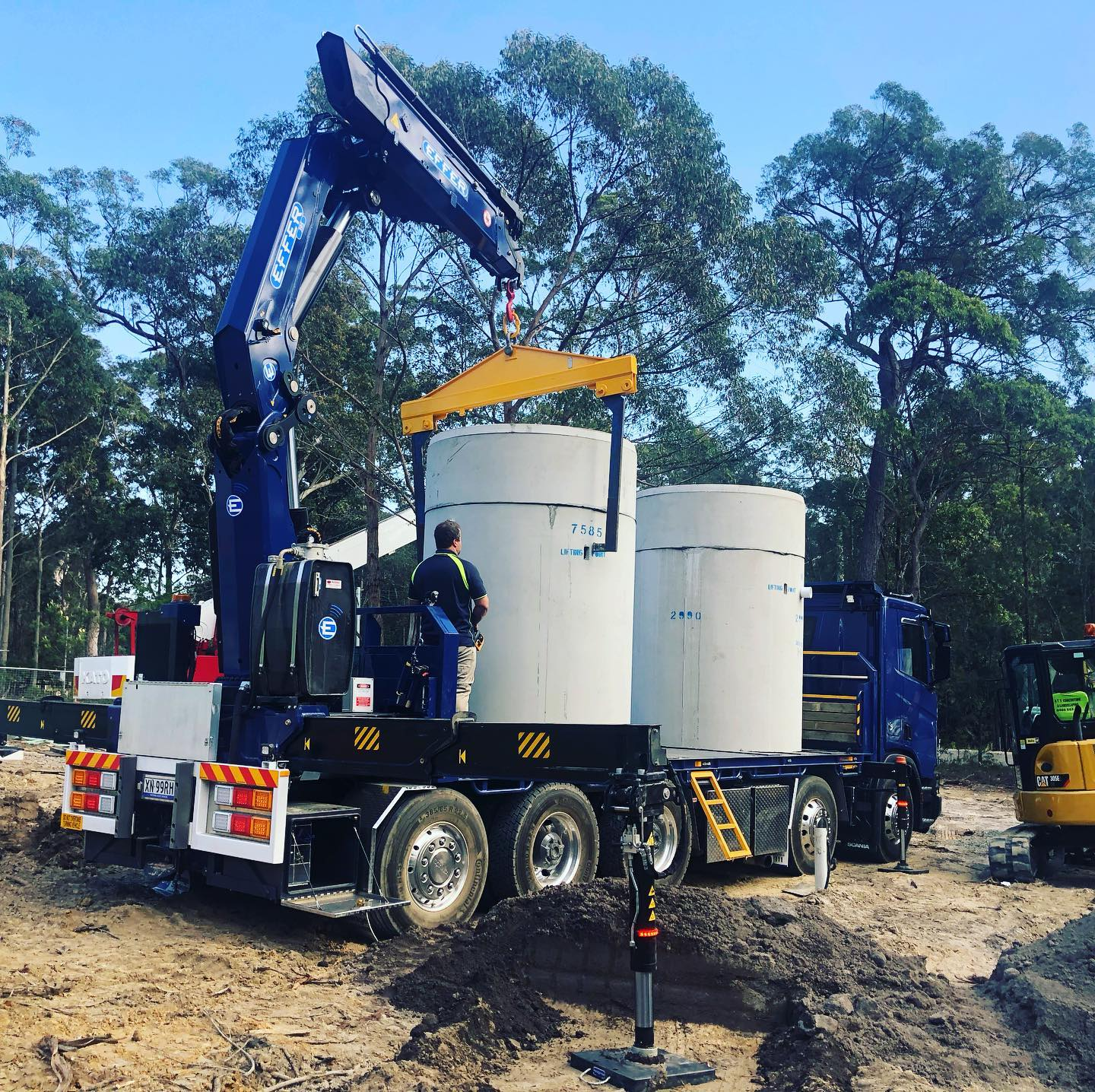
“Just a quick email to advise the tanks arrived and placed into position with the assistance of your driver/delivery man – he was excellent. We did have a delay with the crane but eventually got there. Thank you so much for all your assistance throughout the process, your professionalism, assistance and communication has been outstanding” Rhonda and Peter

“I truly appreciate everything that the team from Bioseptic have done and it is really refreshing to engage a company with such a great team of individuals.” Emma G

“The reason we bought a BioSeptic system 15 years ago was that it was a concrete tank and not a plastic or fibreglass tank that would deteriorate over time. We have been really happy with the performance of our BioSeptic system—it’s delivered consistent reliability and customer satisfaction. I believe that if someone has a good product, people need to know about it!” John L

“Many thanks to Bob who provided expert advice and friendly service – such a pleasure to work with. I highly recommend Bioseptic.” Sarah K

“We have always been very happy with the service provided by BioSeptic. Our regular service technicians; Scott, Matt and Ryan are exceptional. They are always polite, friendly, attentive and willing to do a good job. They also make it easy for us if something ever goes wrong.” Ruth A